


Pink Boots, Everywhere You Look
Updated: Jun 30
If you’ve been watching the World Cup this year, one thing is hard to miss: there’s a lot of pink on the pitch. Almost every player seems to be waring the same shoes. So why pink?
Major football boot brands like Nike, Adidas, Puma, New Balance and Skechers all launched World Cup boot collections ahead of the tournament, and many of them landed on pink. GQ explored the trend and pointed to one clear reason: pink stands out against green grass and HD screens, making the boots and brand logos easier to see from the stands and on TV.¹

Pink as a performance signal
Odinga Nimako, a senior figure at Nike Football, told The Athletic that visibility was not the only reason behind the choice of pink. He said the initial push also came from customer demand, and that Nike’s research shows athletes feel more confident in bright, bold colors. Pink is one of the shades that amplifies that confidence.
Pink is loud, bright, and impossible to ignore. That is part of the appeal. When you wear something that visible, you are making a statement before the game even starts. You are saying you are comfortable being seen, and that confidence becomes part of the performance itself.
That is why pink works so well on the pitch. It is not just a stereotype or a playful color choice. It is a strong performance cue.²

How our brain percieves pink
Color psychology research links pink to warmth, care and connection, especially in softer shades, while intense pinks can feel energetic and attention‑grabbing. Studies also show that pink can have a calming, soothing effect at first exposure, which is why it shows up in hospitals, wellness branding and self‑care products. In marketing, pink tends to make brands feel more approachable, emotional and human, which boosts memorability and buying intention for many consumers.

Pink was never just a girls' color
Pink carries a longer story than this tournament, too. For decades it was sold almost exclusively as the girls' color, in toys, fashion, and beauty, long before anyone thought to put it on a football boot. That script has been breaking down for a while, recent research shows a different picture. Pink now works more as a cultural symbol of identity, fashion and empowerment, from Barbie-pink cinema to streetwear drops, and it increasingly appeals across genders.
Even menswear brands and luxury labels now use pink to signal style, confidence and modern masculinity, which challenges the old blue-for-boys, pink-for-girls script.
The key point is simple: pink is no longer owned by one gender. It’s a social signal that can mean power, playfulness, style and self-expression, depending on how you use it.³

Why we’ve always loved pink at moxxis
We didn't predict a World Cup boot wall full of pink. But we picked the color long before this summer made it the story of the tournament.
For us, pink symbolizes moxie and sits at the core of our name, our identity, and what we stand for: courage, energy, and expertise. Like the athletes mentioned above, we believe see the pink of our insoles as a symbole that stands for confidence, performance, and long-term body care. Something that works quietly inside the shoe, but still carries a clear point of view.That is what moxxis is about. Visible when you take your shoes off. Invisible when you play. Always there when it matters. Something that works quietly inside your shoe.
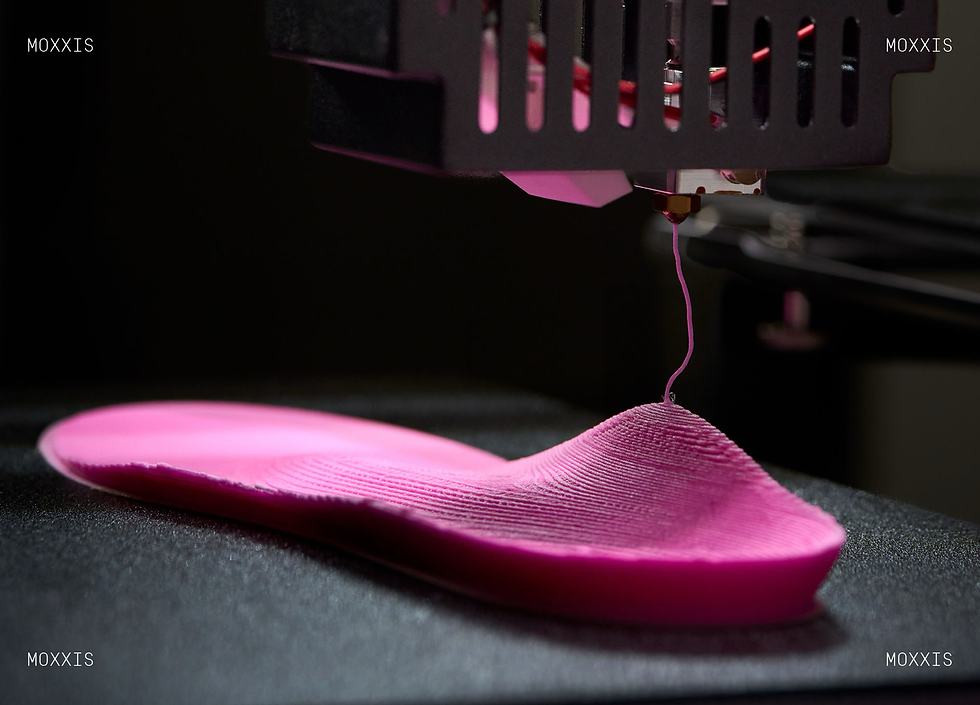
The World Cup may have made pink visible, but moxxis is about what happens beneath the surface. Get your moxxis and carry that confidence inside your shoes, every day.
Sources:
¹Why everyone is wearing pink boots at the 2026 World Cup, British GQ: https://www.gq-magazine.co.uk/article/why-everyone-is-wearing-pink-boots-at-the-2026-world-cup
²Betancourt, A., & Buckingham, J. Pink cleats dominate World Cup footwear, The Athletic / New York Times: https://www.nytimes.com/athletic/7355780/2026/06/13/pink-cleats-boots-world-cup-nike-adidas-puma/
³ Ma, R., & Wang, X. (2024). Beyond gender: The evolving significance of pink in the contemporary marketing, Sustainable Economies: https://doi.org/10.62617/se.v2i3.168